How to Ride a Bike

Declan Kennedy
| 27-08-2026
 · Vehicle Team
Learning to ride a bike requires balance, coordination, steering, and speed control.
While the basic technique is simple, becoming a capable rider takes practice and patience.
Learning each skill progressively allows you to develop control naturally and become more comfortable on the bike.
Choose the Right Bike
Select a bike that suits your height and riding ability. You should be able to reach the handlebars comfortably and operate the brakes without stretching.
Adjust the saddle so your riding position feels stable and controlled. A suitable setup makes it easier to steer, pedal, and maintain balance.
Build Your Balance
Begin in a quiet, open area with a smooth surface and plenty of room to move. Focus on keeping the bike upright while maintaining a relaxed posture.
Look ahead instead of constantly watching the front wheel. Make small steering adjustments and allow the bike to move naturally beneath you.
As you improve, practice riding in a straight line for progressively longer distances.
Learn to Pedal
Once you can balance comfortably, practice steady pedaling. Start at a manageable pace and use smooth, consistent movements rather than sudden bursts of force.
Keep your shoulders relaxed and maintain a light, secure grip on the handlebars. Controlled pedaling helps you maintain a predictable pace.
Practice Steering
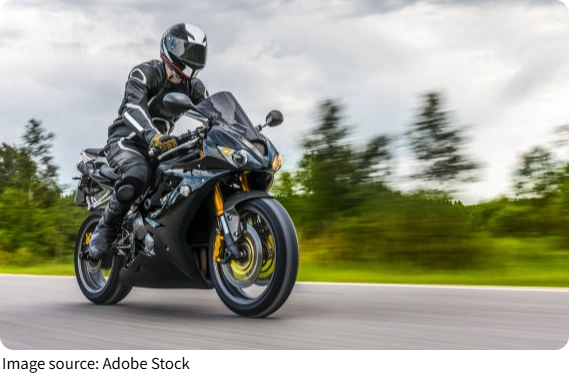
Effective steering begins with looking toward your intended path. Guide the handlebars with small, deliberate movements instead of making abrupt changes.
Before a turn, reduce your speed and choose a clear path. Look through the turn and guide the bike smoothly around it.
Practice Braking
Learn how the front and rear brakes respond before riding in more demanding surroundings. Practice slowing down progressively and stopping in a controlled manner.
Use both brakes smoothly while keeping the bike stable. Develop the ability to judge stopping distance so you can respond calmly to changes ahead.
Manage Your Speed
Ride at a speed that matches your ability and the conditions around you. Reduce speed before turns, intersections, crowded areas, uneven surfaces, and other sections requiring greater attention.
A manageable pace gives you more time to assess the path and make controlled adjustments.
Stay Aware
Look well ahead and regularly scan the path for changes. Pay attention to pedestrians, cyclists, vehicles, obstacles, surface conditions, and changes in direction.
Maintaining a broad view of your surroundings helps you anticipate what is coming and choose an appropriate riding line.
Practice Essential Skills
Combine your basic skills through repeated practice. Work on starting, stopping, straight-line riding, gentle turns, and controlled changes of speed.
As these movements become more natural, gradually introduce more varied routes and riding conditions that match your experience level.
Maintain Good Habits
Confidence develops through consistent practice rather than rushing into challenging situations. Progress at a pace that allows you to remain in control.
Wear appropriate protective equipment and check the bike regularly. Pay particular attention to the brakes, tires, chain, and other essential components before riding.
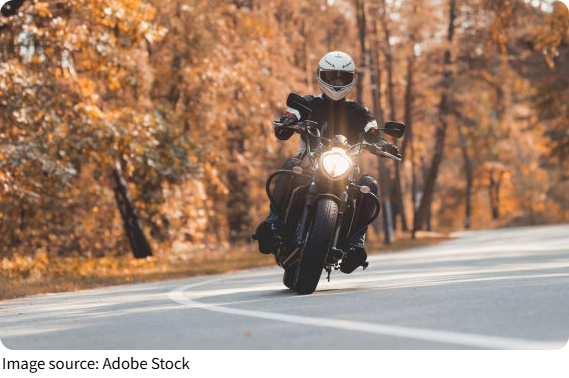
Learning to ride a bike is most effective when fundamental skills are developed in sequence. Start with balance, add smooth pedaling, then build reliable steering, braking, speed control, and awareness.
With regular practice and sensible progression, these skills can become natural parts of your riding technique, helping you ride with greater control and confidence.