Motorcycle Riding Basics

Raghu Yadav
| 27-08-2026
 · Vehicle Team
Learning to ride a motorcycle involves more than balance and throttle control. A capable rider must understand the motorcycle, read the road, manage speed, and make deliberate decisions.
For beginners, developing good habits from the start creates a strong foundation for controlled and responsible riding.
Choose the Right Gear
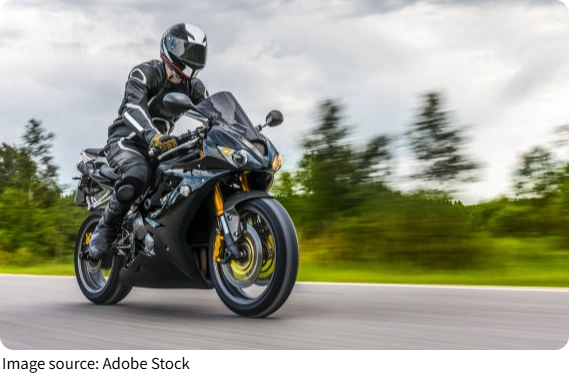
Protective equipment should be ready before the motorcycle moves. Wear a properly fitted helmet that meets the applicable safety standard for your riding area. A full-face helmet provides greater coverage than an open-face design.
A motorcycle-specific jacket and riding pants can provide better abrasion protection than ordinary clothing. Gloves protect the hands while supporting a secure grip, while sturdy over-the-ankle footwear provides additional protection around the feet and ankles. Bright or reflective clothing can also make a rider easier for other road users to notice.
Inspect the Motorcycle
A short pre-ride inspection can help identify mechanical issues before they affect your journey. Check tire pressure and tread condition, test the brakes, and confirm that the headlight and turn signals are working properly.
Adjust the mirrors to provide a clear rearward view and look for visible leaks or unusual conditions. Follow the motorcycle owner's manual for fluid checks and scheduled maintenance. For chain-driven motorcycles, inspect the chain regularly and maintain its tension and lubrication according to the manufacturer's guidance.
Build Skills Through Training
Beginners should develop fundamental riding skills in a controlled environment before tackling busy roads. Practice smooth starts and stops, clutch and throttle coordination, turning, low-speed maneuvers, and progressive braking.
Emergency skills are also important. Practice controlled braking and quick directional changes in an appropriate training area so these movements become familiar without unnecessary pressure. Move to more demanding situations only when basic techniques feel consistent and controlled.
Improve Road Visibility
Being visible requires more than wearing bright clothing. Avoid lingering in the blind spots of larger vehicles, use signals before changing direction, and maintain a road position that provides a clear view of surrounding traffic.
Intersections require particular attention. Scan for vehicles that may turn across your path, maintain an appropriate approach speed, and leave enough space to respond if another road user changes direction unexpectedly.
Control Speed and Braking
Good motorcycle handling begins with effective speed management. Use both brakes together and apply pressure progressively. The front brake generally provides most of the stopping power, while combining the front and rear brakes supports controlled deceleration.
Practice braking in a suitable controlled area to understand how the motorcycle responds. Before entering a corner, choose a speed that matches your experience, visibility, and road conditions. Avoid carrying excessive speed into a turn, as this can reduce your ability to adjust smoothly.
A generous following distance also provides valuable time to respond to sudden stops, road debris, or changing traffic.
Ride Within Your Ability
Sound judgment is essential on every ride. Fatigue, rushing, unfamiliar roads, changing weather, and pressure from other riders can affect concentration and decision-making.
Start with routes and conditions that match your experience, then increase the difficulty gradually. If another rider travels faster, allow them to continue without attempting to match their pace. Your speed should reflect your ability, the road environment, traffic, and visibility.

Learning to ride well takes time, practice, and consistent attention to safety. Proper equipment, motorcycle inspections, structured training, good visibility, controlled braking, and sound judgment provide the foundation for responsible riding. Build these skills gradually, ride within your ability, and allow confidence to develop naturally through experience.