Built to Dominate

Caleb Ryan
| 27-08-2026
 · Vehicle Team
Hello readers. Today we examine why classic Japanese sports cars maintain strong collector value and a persistent presence in modern track events. Japanese manufacturers invested heavily in motorsport development during the late 1980s and 1990s.
Vehicles such as the Nissan Skyline GT-R R32 secured numerous victories in Group A touring car racing. The R32 model achieved an undefeated record in the Japanese Touring Car Championship from 1990 to 1993.
Other manufacturers focused on rallying to demonstrate their engineering capabilities. The Toyota Celica GT-Four and Subaru Impreza WRX introduced advanced all-wheel-drive systems to off-road competition. These vehicles competed directly with established European sports cars and often recorded faster lap times.
Track days frequently feature the Mazda RX-7 and Honda NSX. The lightweight construction of these models provides low unsprung mass, which improves handling on closed circuits. Owners continue to use these vehicles for competitive driving events because their chassis designs respond well to modern tire compounds.
Engineering And Powertrain Durability
The engineering standards of the 1990s Japanese automotive industry resulted in highly durable powertrains. The Toyota Supra A80 utilizes the 2JZ inline-six engine, which features a closed-deck cast-iron block. This specific engine architecture can withstand significant horsepower increases without requiring internal modifications.
Honda applied Formula 1 technology to the NSX, creating a mass-produced car with an all-aluminum body. This material choice reduced overall vehicle weight and improved chassis rigidity. The mid-engine layout provided a balanced weight distribution that remains competitive against modern sports cars.
Mazda developed the rotary engine for the RX-7, offering a high power-to-weight ratio from a compact displacement. These complex systems require specific operating procedures.
Media Influence On Market Value
Media exposure introduced Japanese sports cars to a global audience. The Gran Turismo video game franchise featured accurate digital representations of models such as the Mitsubishi Lancer Evolution. This exposure familiarized international enthusiasts with vehicles that were originally limited to the Japanese domestic market.
Films and television programs further established the visual identity of these vehicles. The modified appearances of these cars in media created a demand for specific aftermarket parts. Buyers now seek original, unmodified examples because many vehicles were heavily altered during the early 2000s.
The generation that grew up consuming this media now possesses the purchasing power to acquire these vehicles. This demographic shift has moved models such as the Nissan Skyline GT-R from the used car market into the collector category. Auction results reflect this change, with low-mileage examples frequently selling for premium prices.
Maintenance And Ownership Realities
Owning a thirty-year-old high-performance vehicle involves specific maintenance commitments. Rubber components including hoses, bushings, and seals deteriorate over time, regardless of mileage. Buyers should inspect these areas thoroughly or hire a qualified technician to perform a pre-purchase inspection before acquiring a classic model.
Parts availability varies significantly depending on the manufacturer and specific model year. Honda and Nissan have introduced heritage parts programs to manufacture select discontinued components. However, owners of less common vehicles may need to source parts from specialized international distributors.
Proper storage is necessary to preserve the condition of these vehicles. Climate-controlled environments prevent rust formation on ungalvanized steel panels common in older Japanese cars. Start the engine regularly and allow it to reach operating temperature to prevent moisture accumulation in the exhaust system.
Current Market Valuation And Rarity
The combination of high demand and limited supply has increased the financial value of these vehicles. Growing interest from collectors and enthusiasts around the world has drawn many right-hand-drive examples out of Japan, steadily reducing the available domestic stock.
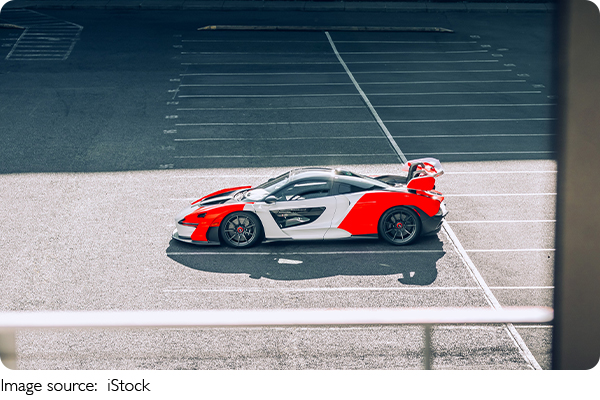
Specific trims command the highest prices at automotive auctions. The Nissan Skyline GT-R V-Spec and Honda NSX Type R feature track-oriented suspension tuning and lighter components. These low-production variants are now considered investment-grade assets by vehicle collectors.
Prospective buyers must differentiate between standard models and authenticated performance trims. Verify the vehicle identification number and engine block stampings against manufacturer records. Accurate documentation and a complete service history are critical factors when determining the true value of a classic Japanese sports car.
These classic Japanese sports cars combine historical racing success with durable engineering and strong market demand. Understanding the maintenance requirements and verifying the vehicle history will help you make an informed purchase. Evaluate your budget and storage capabilities before adding one of these iconic models to your garage.