Motorcycle ABS Guide

Ethan Sullivan
| 25-08-2026
 · Vehicle Team
A motorcycle can feel smooth and predictable until an unexpected situation requires immediate braking. In that moment, the ability to control braking force can make a significant difference.
ABS, or anti-lock braking system, is designed to prevent excessive wheel slip during hard braking. By automatically adjusting brake pressure, it helps the tires maintain usable traction and reduces the likelihood of wheel lock.
ABS is an important safety aid, but it does not replace good riding technique. Understanding how the system works, its limitations, and how to respond when it activates allows riders to use it with greater confidence.
How Motorcycle ABS Works
ABS uses wheel-speed sensors to monitor the rotation of the wheels. When the system detects that a wheel is approaching excessive slip during braking, it rapidly adjusts brake pressure.
The system can reduce, hold, and reapply pressure repeatedly within a very short time. This process helps prevent prolonged wheel lock while allowing the tire to continue using available traction.
When ABS activates, the rider may feel pulsing through the brake lever or pedal. This sensation is normal and indicates that the system is actively regulating braking pressure.

What ABS Provides
The primary benefit of ABS is improved control during hard braking. By limiting excessive wheel slip, the system helps the tires make better use of the traction available on the road.
Testing has shown that motorcycles equipped with ABS can achieve shorter stopping distances than comparable motorcycles without ABS under various conditions. Actual performance still depends on factors such as road surface, tire condition, motorcycle design, and available grip.
ABS does not increase the physical traction between a tire and the road. A slippery, loose, or uneven surface can still produce a long stopping distance.
ABS manages wheel slip; it does not overcome the limits of available traction.
When ABS Matters Most
During an emergency on a paved road, riders should generally apply firm braking and allow the ABS to regulate pressure when necessary.
The sensation of ABS activation can be unfamiliar, especially for riders who have never experienced it. Rather than reacting to the pulsing by abruptly reducing brake pressure, the rider should remain composed and continue braking appropriately for the situation.
ABS can also help preserve the tire traction needed for steering control while braking. However, it cannot guarantee that an obstacle can be avoided. The available space, motorcycle position, road conditions, and rider input remain critical.
Understanding the Limits
ABS does not compensate for excessive speed, insufficient following distance, poor tire condition, or inadequate maintenance. It also cannot make every road surface equally suitable for emergency braking.
Motorcycles can also have different ABS designs. Some systems primarily prevent wheel lock, while more sophisticated systems can provide additional control during braking while the motorcycle is leaned over.
Because system behavior varies between motorcycles, riders should understand the ABS configuration and braking characteristics of their own machine.
Using ABS Properly
Effective ABS use begins with good preparation. Keep the tires, brakes, and related components properly maintained, and become familiar with the motorcycle's braking response.
Practicing emergency braking in a safe, controlled environment can help riders recognize the feel of strong braking and ABS activation before they encounter a genuine emergency.
When an emergency occurs, apply the brakes firmly, maintain a stable riding position, and focus on the safest available path. If ABS activates, remain calm and allow the system to regulate wheel slip rather than making abrupt control changes because of the feedback through the controls.
Surface conditions also matter. Loose gravel and other low-traction surfaces can significantly affect braking performance. ABS can continue managing excessive wheel slip, but it cannot provide traction that the surface does not have.
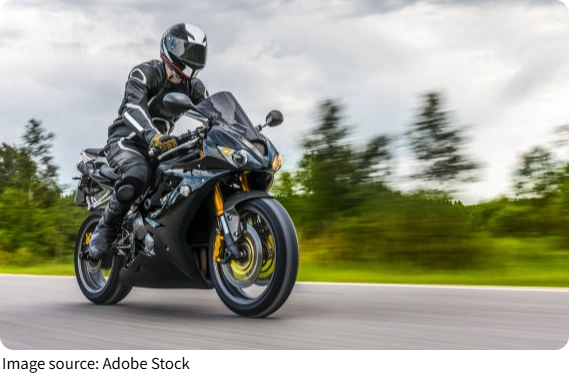
Technology With Rider Skill
ABS is most effective when it complements sound riding habits rather than replacing them. The system provides an additional layer of control during hard braking, while the rider remains responsible for speed, road awareness, motorcycle condition, and appropriate braking technique.
The right approach is simple: understand ABS, maintain the motorcycle, practice controlled emergency braking, and use the system confidently when it is needed.
When technology and rider skill work together, ABS can provide valuable additional control during one of the most demanding situations a motorcyclist may face.